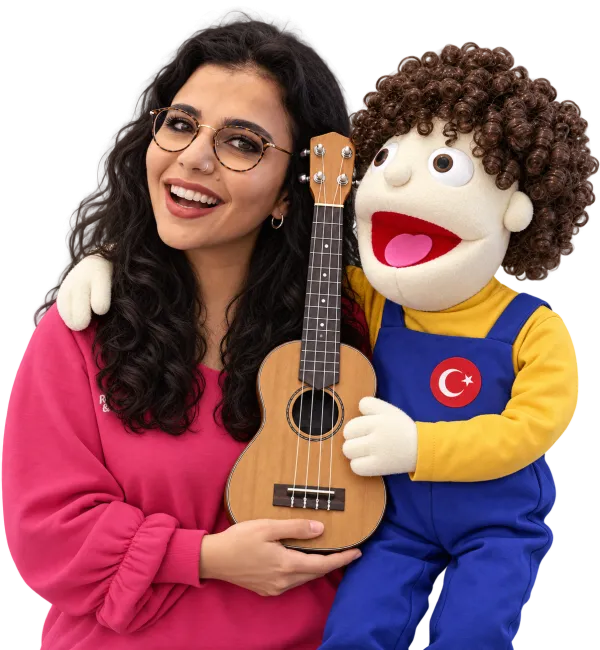
Teaching children Turkish proverbs and idioms
How to introduce Turkish proverbs and idioms to a child growing up abroad: age-based examples with English meanings and 5 short activities for home.


Short answer: Keeping Turkish going over the holidays doesn't need long study sessions. Small 10–15-minute moments that feel like play, over two weeks, keep Turkish alive. The plan is flexible; if you skip a day, simply carry on.
Rhythm can fade when school starts. Linking a few short Turkish moments a week to a routine makes coming back easier: a 15-minute home routine. For other decisions, see the Parent Decision Centre.
How to introduce Turkish proverbs and idioms to a child growing up abroad: age-based examples with English meanings and 5 short activities for home.
Easy Turkish riddles with answers and English meanings for children growing up abroad, plus age tips and a simple pattern for making their own.
Short, easy and funny Turkish tongue twisters for children growing up abroad, with English meanings, age tips and 5 ways to turn them into a game.
Choose a teacher and plan a gift intro lesson, or talk with our education team first.