

- Programmes
- Turkish levels
Strong roots · open minds
Turkish levels for children
To join family conversations, express themselves in Türkiye and tell their own story in Turkish. The Roots & Talks Turkish Language and Culture Programme has seven levels, and each level builds on the one before.
Learning outcomes
What can your child do in Turkish at each level?
The seven levels come together in four stages. At each stage your child takes a new step in listening and speaking, reading, writing, cultural connection and social communication.
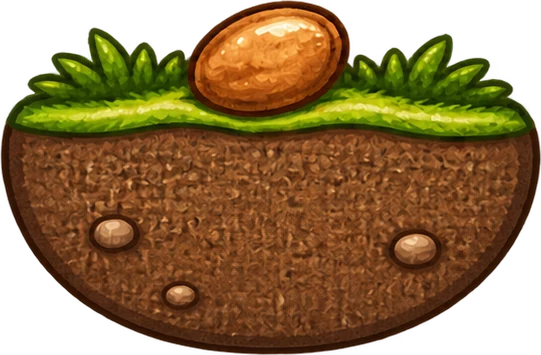
Seed · Tohum - Level 1
- CEFR A0
First steps in Turkish
Explores through stories and pictures; tries out Turkish in games and everyday situations.
- Listening and speaking: Understands everyday expressions; greets, says what they want and gives short answers to simple questions.
- Reading: Draws meaning from pictures and symbols; when ready, discovers letters and words.
- Writing: Expresses themselves through drawings and symbols; when ready, copies letters and words.
- Cultural connection: Meets Türkiye’s songs, games, food and iconic buildings; names what catches their attention.
- Social communication: Uses short expressions such as thanking, responding and saying goodbye during visits and Bayram greetings.
Seed · words
- Ages 4–6
- 100+
- Ages 7–17
- 290+
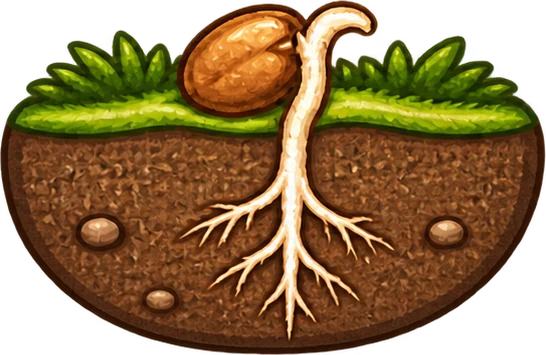
Root · Kök 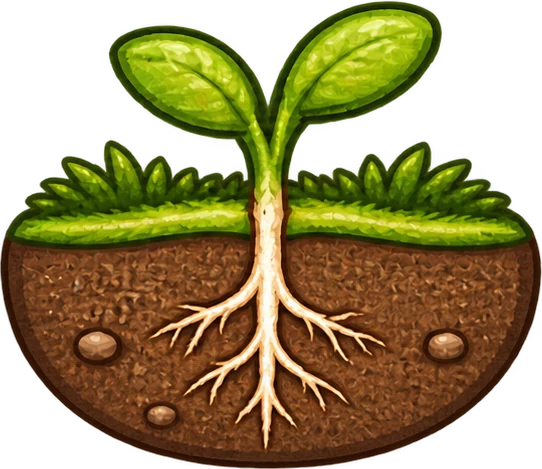
Sprout · Filiz - Level 2
- Level 3
- CEFR A1.1
- CEFR A1.2
Two-way conversation
Uses Turkish in back-and-forth conversations through stories, games and everyday topics.
- Listening and speaking: Understands short conversations; asks questions, adds detail and keeps a conversation going for a few turns. Asks for repetition when they do not understand.
- Reading: Reads familiar words, short sentences and everyday instructions. Finds the information they need in short messages and follows instructions. Uses pictures and headings.
- Writing: Writes words, lists, short messages and simple sentences. Expresses preferences in their own words. Reads back and checks what they wrote.
- Cultural connection: Recognises Türkiye’s iconic buildings, songs and food. Talks briefly about artists, writers and their works.
- Social communication: Asks how people are when visiting; responds to Bayram greetings and offers. States wishes and preferences politely.
Root · words
- Ages 4–6
- 280+
- Ages 7–17
- 550+
Sprout · words
- Ages 4–6
- 440+
- Ages 7–17
- 790+
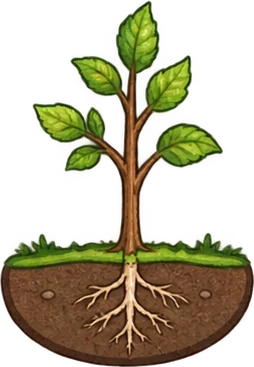
Sapling · Fidan 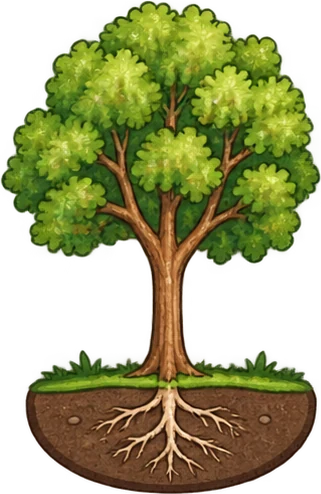
Tree · Ağaç - Level 4
- Level 5
- CEFR A2.1–A2.2
- CEFR B1.1–B1.2
Telling their own story
Tries different ways of sharing experiences and ideas through stories and shared projects.
- Listening and speaking: Follows events and their causes; describes experiences, explains their view and makes shared decisions. Rephrases when not understood.
- Reading: Finds the sequence of events, causes and main idea in stories and information texts. Summarises what they read and picks out key information.
- Writing: Writes about an event, an idea or a suggestion in connected sentences. Reviews and edits their writing.
- Cultural connection: Meets artists, writers and important thinkers from Türkiye through age-appropriate examples. Gathers and shares information about works, songs and food culture.
- Social communication: Joins conversations at visits, celebrations and shared meals; uses invitations, offers and polite refusals to suit the situation.
Sapling · words
- Ages 4–6
- 680+
- Ages 7–17
- 1,080+
Tree · words
- Ages 4–6
- 920+
- Ages 7–17
- 1,340+
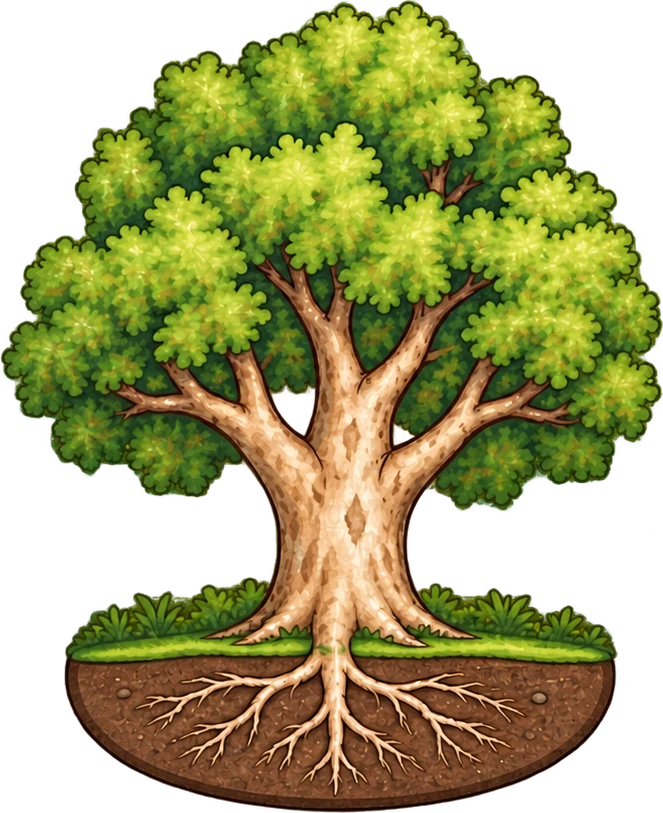
Plane tree · Çınar 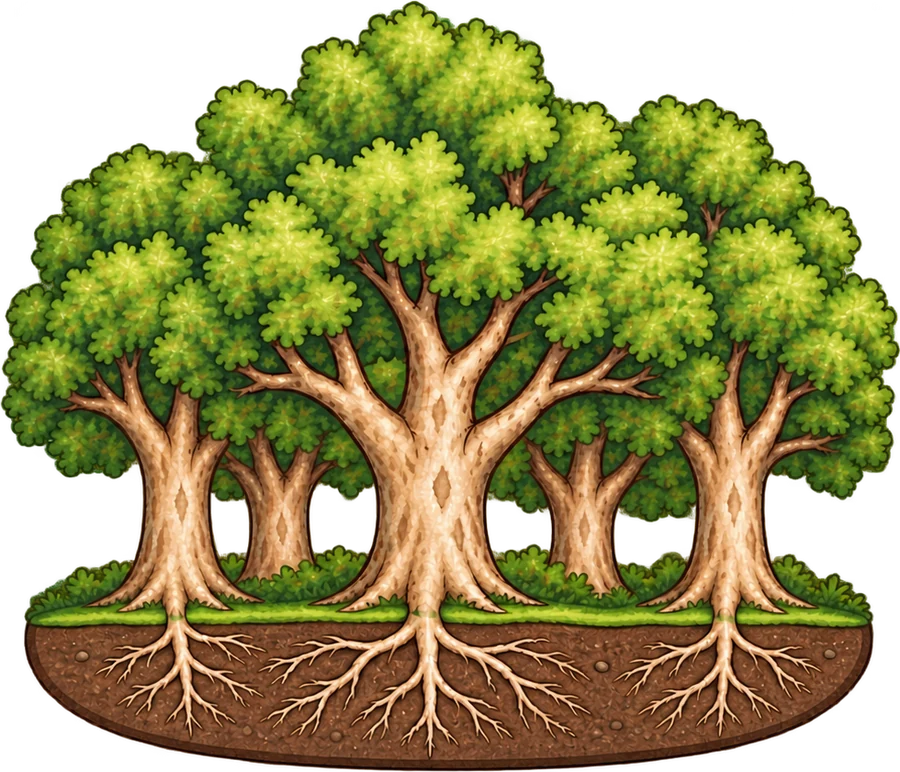
Forest · Orman - Level 6
- Level 7
- CEFR B2.1–B2.2
- CEFR C1.1–C1.2
Between different worlds
Uses Turkish for different purposes through research, discussion and shared projects.
- Listening and speaking: Understands opinions and fine differences in meaning; gives reasons for their view in a discussion. Adapts how they speak to the person and the setting.
- Reading: Compares views and supporting points in texts; draws inferences. Evaluates the writer’s stance and implied meanings.
- Writing: Writes texts that give reasons for their view; organises writing for the reader. Produces messages, explanations and short reports.
- Cultural connection: Researches Türkiye’s architecture, music, literature and world of ideas. Connects artists, writers and thinkers with their works; links past and present.
- Social communication: Adapts tone and form of address in social settings; notices subtle meanings in polite expressions and clears up misunderstandings.
Plane tree · words
- Ages 4–6
- 1,150+
- Ages 7–17
- 1,570+
Forest · words
- Ages 4–6
- 1,390+
- Ages 7–17
- 1,790+
At a glance
Levels, CEFR and word counts
| Level | Order | CEFR* | Words · ages 4–6 | Words · ages 7–17 |
|---|---|---|---|---|
| Seed (Tohum) | Level 1 | A0 | 100+ | 290+ |
| Root (Kök) | Level 2 | A1.1 | 280+ | 550+ |
| Sprout (Filiz) | Level 3 | A1.2 | 440+ | 790+ |
| Sapling (Fidan) | Level 4 | A2.1–A2.2 | 680+ | 1,080+ |
| Tree (Ağaç) | Level 5 | B1.1–B1.2 | 920+ | 1,340+ |
| Plane tree (Çınar) | Level 6 | B2.1–B2.2 | 1,150+ | 1,570+ |
| Forest (Orman) | Level 7 | C1.1–C1.2 | 1,390+ | 1,790+ |
- * CEFR shows the programme’s European language level targets. A0 is our starting programme.
- CEFR targets apply to ages 13–17. For younger children, the same level moves forward with language goals suited to their age.
- Word counts are the cumulative total of new words in our Lesson Compass; set phrases and expressions taught for understanding only are not included.
Parents ask
About the Turkish levels
What is CEFR, and what do A1 or B1 mean?
CEFR (the Common European Framework of Reference for Languages) is a shared framework that describes language ability in levels from A1 to C2. A levels describe a basic user, B levels an independent user and C levels a proficient user. The CEFR targets in our table apply to ages 13–17; for younger children the same level moves forward with language goals suited to their age. A0 is our starting programme.
How do I find out which level my child is at?
You can plan a gift intro lesson. After the intro lesson you receive a written level report.
Is the level based on age?
No. Age is a guide; the child sets the starting point. The level is chosen according to the child’s Turkish, and the teacher chooses activities and topics to suit the child’s age. Every child aged 4–17 starts at the level that matches their Turkish.
What do the word counts show?
They show the cumulative number of new words taught in our curriculum (the Lesson Compass) from Seed onwards. Set phrases and expressions taught for understanding only are not included. Younger children move forward with fewer words and more repetition, so the counts for ages 4–6 are shown separately.
Lessons by age
With Roots & Talks
Where should my child start?
Let’s look together at what your child understands, how they respond and which conversations they can join, and choose the right level together.