Online Turkish Lessons for Ages 4–6: What Actually Helps?
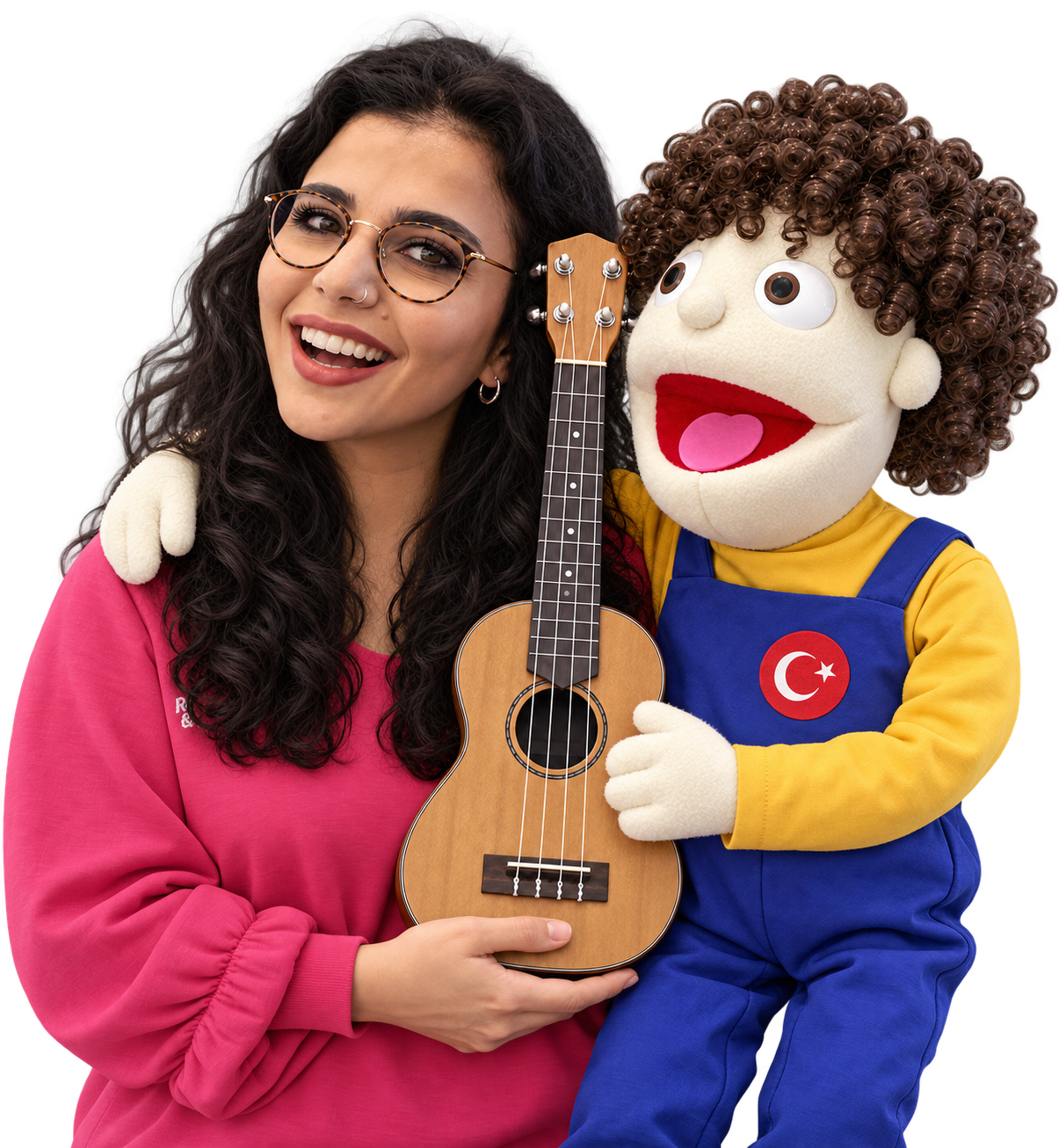
For ages 4–6, a useful online Turkish lesson is short, visual and active. The child needs a relationship and a reason to participate, not a miniature school lecture.


Age affects much more than vocabulary. As children grow, they want more ownership over topics, clearer reasons for activities and greater respect for what they already know. A useful Turkish lesson changes with that development.
Children in this range often enjoy games, stories and clear missions. Reading and writing may begin to support speaking, but they should not replace it. Short goals—describing a picture, asking three questions, completing a mini-story—make progress visible.
Topics become more important. School, friends, hobbies, travel and family conversations create reasons to use Turkish. The teacher can introduce more structure while still leaving room for choice and humour.
Teenagers notice immediately when material feels too young. They need age-respectful visuals, meaningful discussion and a voice in what they work on. Correcting every sentence can close the conversation; selective feedback keeps both accuracy and fluency in view.
Review the learning paths for ages 4–17 and teacher profiles together with your child when age-appropriate. A 25-minute gift intro lesson helps you observe tone, pace and connection before deciding whether to continue.
For ages 4–6, a useful online Turkish lesson is short, visual and active. The child needs a relationship and a reason to participate, not a miniature school lecture.
Choose a teacher and plan a gift intro lesson, or talk with our education team first.